
Whether you’re taking your dog for a morning walk or introducing your cat to outdoor adventures, choosing the right leash and collar is essential for their comfort, safety, and control. We have provided some of the best leashes and Collars For Dogs and Cats
With so many options available—from flat collars and harnesses to retractable leashes and cat harnesses—it can be overwhelming to decide which one is best for your pet.
In this guide, we’ll explain the different types of collars and leashes, their pros and cons, and help you choose the right one based on your pet’s age, size, and activity level.
Why Choosing the Right Leashes and Collars For Dogs And Cats Matters
A leash and collar aren’t just accessories—they’re essential safety tools.
The right equipment helps:
- Keep your pet safe during walks
- Prevent escape or accidental injuries
- Improve training
- Offer better control
- Increase comfort
- Reduce pulling
- Make outdoor adventures more enjoyable
1. Flat Collars For Dogs
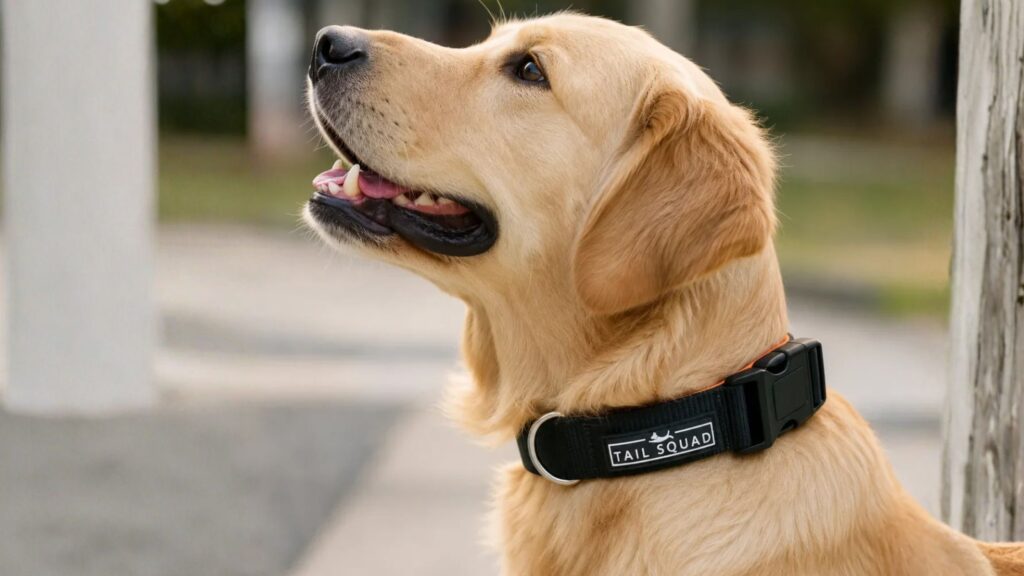
Best For
- Every day, wear collars for your dogs
- Identification tags
- Adult dogs
- Puppies already trained to walk
Flat collars are the most commonly used and suitable for daily wear.
Pros
✔ Comfortable
✔ Lightweight
✔ Easy to adjust
✔ Holds ID tags
✔ Available in many colors and designs
Cons
✘ Not ideal for dogs that pull excessively
✘ Can strain the neck if used incorrectly
Buying Tips
Look for:
- Durable nylon or leather
- Adjustable sizing
- Strong buckle
- Reflective stitching
- Rust-resistant metal D-ring
2. Dog Harness
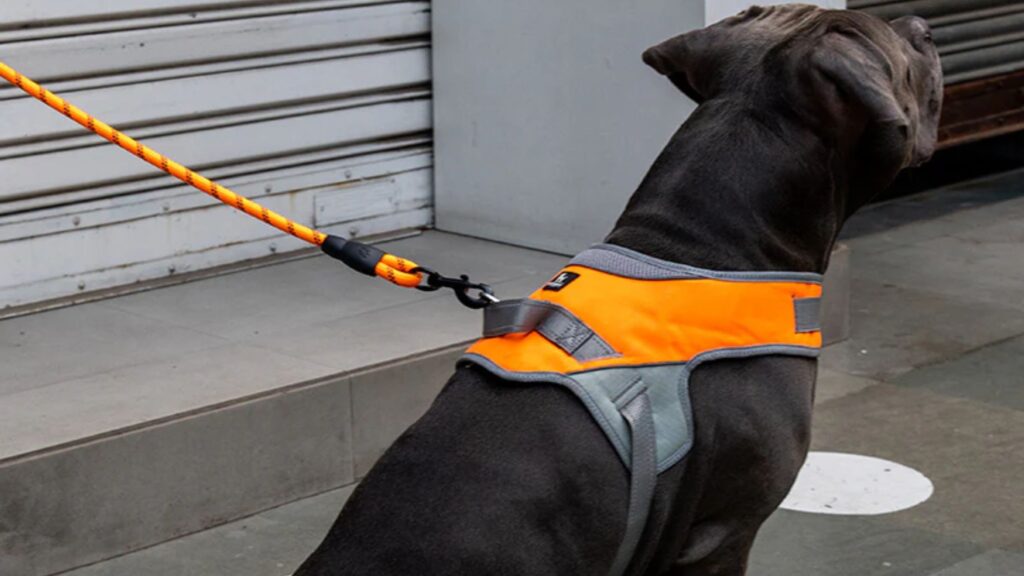
Best For
- Puppies
- Strong pullers
- Senior dogs
- Small breeds
- Large breeds
- Dogs with neck issues
Harnesses distribute pressure across the chest instead of the neck, making walks safer and more comfortable.
Types of Harnesses
Front-Clip Harness
Excellent for training dogs that pull.
Back-Clip Harness
Ideal for calm, well-trained dogs.
No-Pull Harness
Designed specifically to reduce pulling during walks.
Pros
✔ Better control
✔ Reduces neck strain
✔ Comfortable
✔ Great for training
✔ Suitable for long walks
Cons
✘ Takes longer to put on
✘ Higher price than collars
Buying Tips
Choose one with:
- Breathable padding
- Adjustable straps
- Reflective materials
- Durable buckles
- Strong handle (for large dogs)
3. Standard Dog Leash
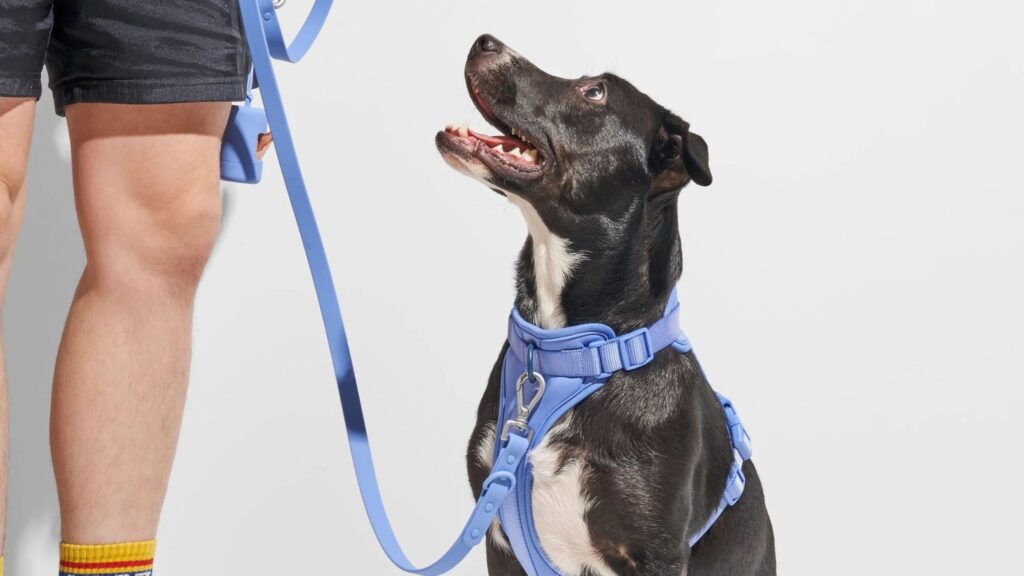
Best For
- Daily walks
- Training
- Parks
- Veterinary visits
A standard leash is the safest and most versatile option for everyday use.
Recommended Length
- 4 feet
- 5 feet
- 6 feet
Materials
- Nylon
- Leather
- Rope
Pros
✔ Maximum control
✔ Affordable
✔ Durable
✔ Ideal for training
Cons
✘ Less freedom compared to retractable leashes
Buying Tips
Look for:
- Comfortable padded handle
- Strong metal clip
- Weather-resistant material
4. Retractable Leash
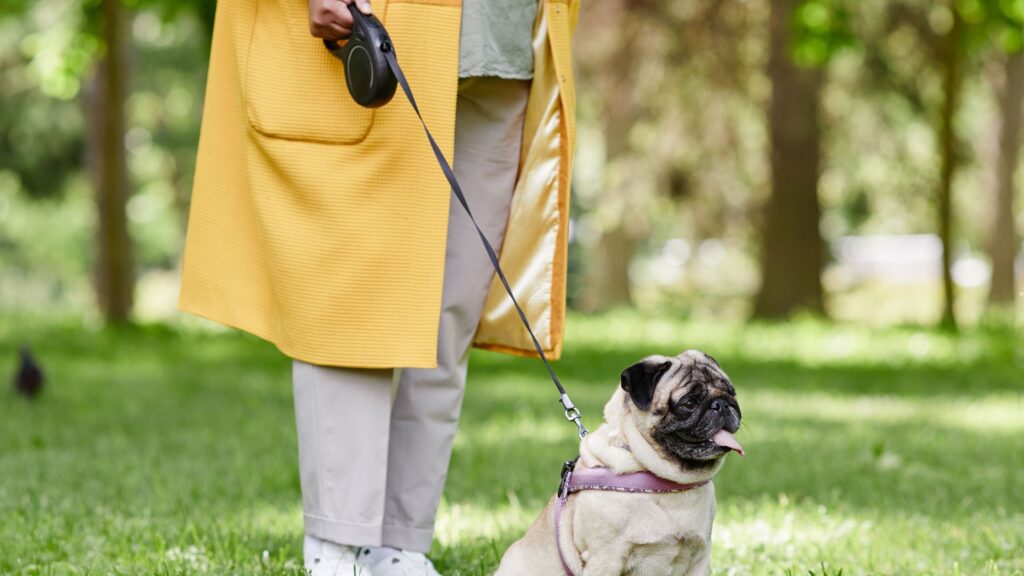
Best For
- Open parks
- Well-trained dogs
- Experienced owners
Retractable leashes allow dogs to explore while remaining connected to you.
Pros
✔ Gives dogs more freedom
✔ Adjustable length
✔ Great for open spaces
Cons
✘ Not recommended for puppies
✘ Less control in crowded areas
✘ Can tangle around people or objects
Safety Tips
Always lock the leash when:
- Crossing roads
- Walking near traffic
- Around children
- In crowded places
5. Cat Harness
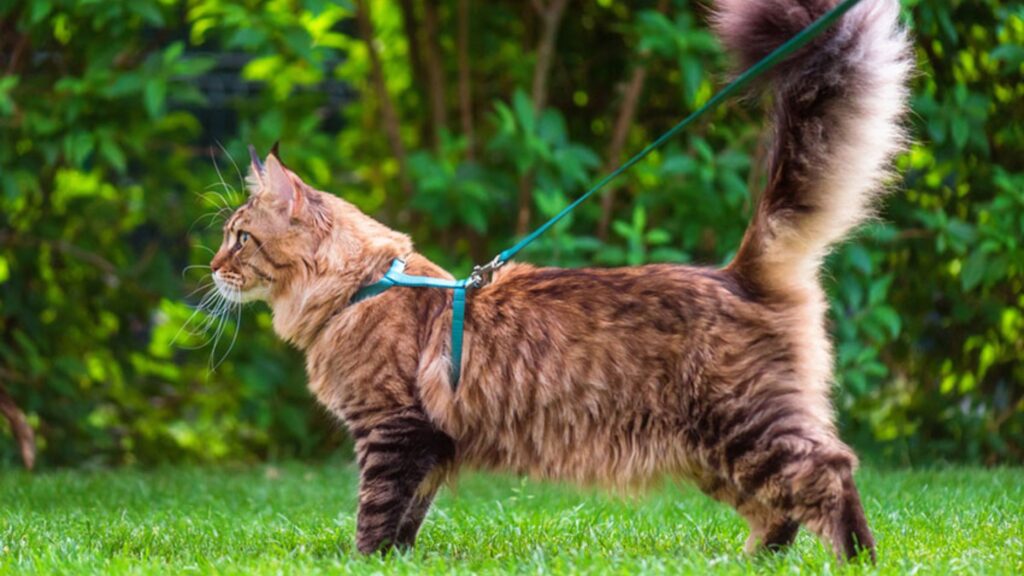
Many cat owners are discovering the joy of outdoor adventures—but a collar alone isn’t enough.
A properly fitted cat harness allows your cat to safely explore while preventing escape.
Best For
- Indoor cats
- Adventure cats
- Travel
- Vet visits
Pros
✔ Safer than collars
✔ Prevents slipping out
✔ Comfortable
✔ Encourages safe outdoor exploration
Buying Tips
Choose:
- Escape-proof design
- Soft mesh fabric
- Adjustable straps
- Lightweight materials
6. Training Leash
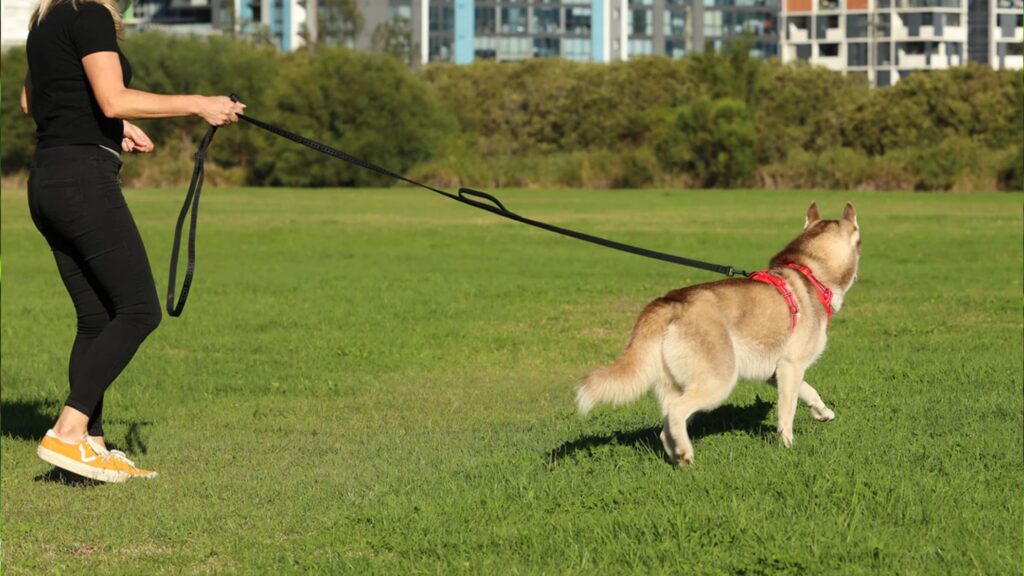
Training leashes are longer than standard leashes and help teach recall, obedience, and controlled freedom.
Best For
- Recall training
- Puppies
- Obedience sessions
- Outdoor practice
Recommended lengths:
- 10 feet
- 15 feet
- 30 feet
7. Reflective or LED Dog Collars
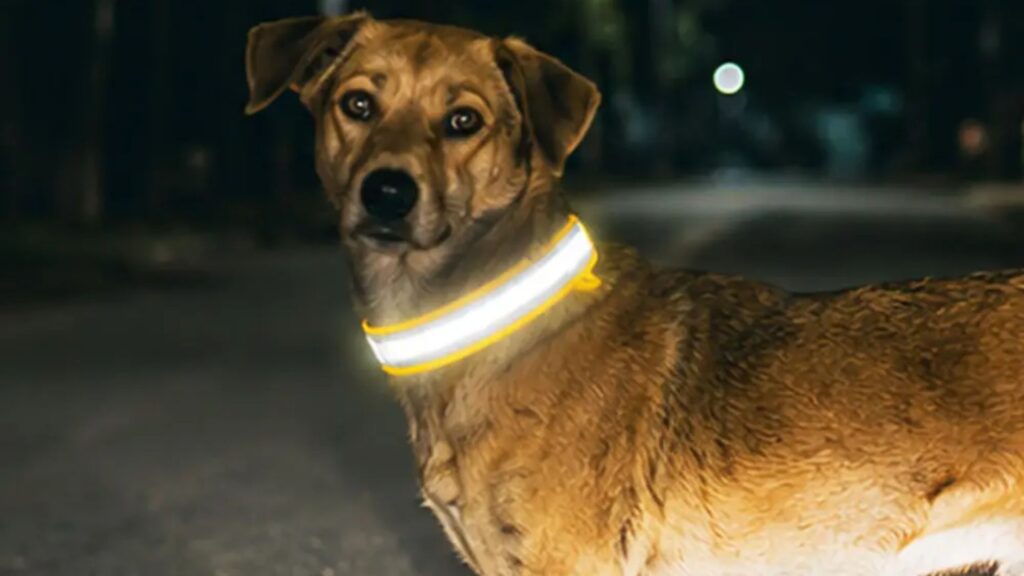
If you walk your pet early in the morning or late at night, reflective collars for dogs improve visibility and safety.
Benefits
- Better visibility
- Increased road safety
- Stylish appearance
Dog Collars vs. Harnesses: Which Is Better?
| Feature | Flat Collar | Harness |
|---|---|---|
| Everyday Use | ⭐⭐⭐⭐⭐ | ⭐⭐⭐⭐ |
| Pulling Dogs | ⭐⭐ | ⭐⭐⭐⭐⭐ |
| Puppy Training | ⭐⭐⭐ | ⭐⭐⭐⭐⭐ |
| Neck Safety | ⭐⭐ | ⭐⭐⭐⭐⭐ |
| Comfort | ⭐⭐⭐⭐ | ⭐⭐⭐⭐⭐ |
Recommendation: Use a flat collar for identification and everyday wear, and a harness for walks, especially if your dog tends to pull.
How to Measure Your Pet for the Right Fit
- Measure your dog‘s or Cat’s neck circumference.
- Measure the widest part of the chest (for harnesses).
- Leave enough room for two fingers between the collar or harness and your pet’s body.
- Check the manufacturer’s sizing chart before purchasing.
Maintenance Tips
- Wash nylon collars and leashes regularly.
- Inspect buckles and clips for wear.
- Replace damaged equipment immediately.
- Store gear in a dry place.
- Clean leather products with appropriate conditioners.